Do You Need a Permit to Install a Grease Trap?
When Grease Trap Installation Becomes a Compliance Issue
If you’re opening, remodeling, or operating a commercial kitchen, understanding grease trap permit requirements in Sacramento is not optional; it’s essential. Many restaurant owners assume installing a grease trap is simply a plumbing decision, but in reality, it’s a regulatory requirement tied to public health, environmental protection, and the integrity of local sewer infrastructure.
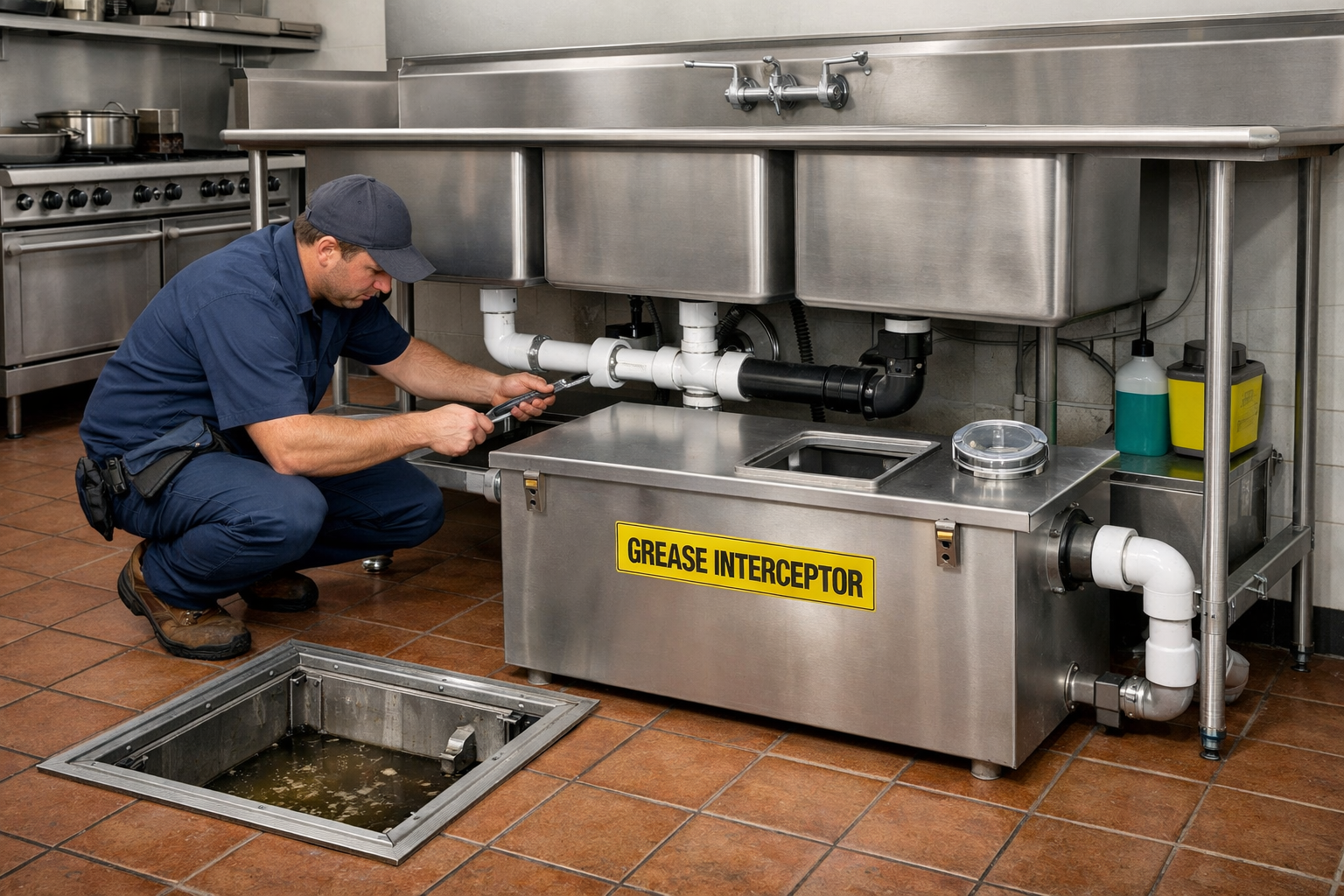
Grease traps and grease interceptors are designed to capture fats, oils, and grease (FOG) before they enter the sewer system. Without the proper permits and approvals, even a professionally installed system can fail inspections, trigger fines, or delay your opening. Sacramento enforces strict grease control rules because unmanaged grease is one of the leading causes of sewer blockages and overflows.
The good news is that the permitting process is manageable when you understand what’s required and work with experienced professionals. In this guide, we’ll explain whether you need a grease trap permit in Sacramento, which agencies are involved, how permitting works step by step, and how proper waste disposal and maintenance keep you compliant long after installation.
Let’s start with the most important question.
Do You Need a Grease Trap Permit in Sacramento?
In most cases, yes, a grease trap permit in Sacramento is required for commercial kitchens, food service establishments, and any business that produces wastewater containing fats, oils, or grease.
This requirement typically applies when you are:
- Opening a new restaurant or food service business
- Installing a new grease trap or grease interceptor
- Replacing, relocating, or resizing an existing grease trap
- Remodeling kitchen plumbing that affects grease output
- Adding equipment that increases FOG production
Permits exist to ensure:
- The grease trap is properly sized for your kitchen
- Installation meets plumbing and sewer codes
- City sewer lines are protected from grease buildup
- The business complies with FOG and waste disposal regulations
Skipping the permitting step can result in failed inspections, stop-work orders, or costly reinstallation.
Why Sacramento Requires Grease Trap Permits
Sacramento’s permitting requirements are rooted in environmental and infrastructure protection. When grease enters sewer lines, it cools and hardens, sticking to pipe walls and eventually causing blockages. These blockages can lead to sewer overflows, environmental contamination, and expensive municipal repairs.
To prevent this, the city requires grease traps to be:
- Properly sized
- Correctly installed
- Easily accessible for maintenance
- Maintained and documented over time
Permits create accountability and ensure restaurants handle grease trap waste disposal responsibly.
When a Grease Trap Permit Is Required
A grease trap permit in Sacramento is commonly required in the following situations:
- New restaurant openings
- Commercial kitchen remodels or expansions
- Grease trap or interceptor installation
- Replacement of outdated or undersized systems
- Plumbing changes that affect kitchen flow or grease output
Even businesses with existing grease traps may be required to update permits if the system no longer meets current code or capacity standards.
Step-by-Step: How the Grease Trap Permit Process Works
Understanding the process ahead of time helps avoid delays and compliance issues.
Step 1: Determine the Correct Grease Trap Type and Size
Before applying for a permit, the appropriate grease trap or grease interceptor must be selected. Size is based on:
- Number of sinks and fixtures
- Type of cooking equipment
- Volume of wastewater
- Expected grease output
Undersized systems are one of the most common reasons permits are denied or inspections fail.
Step 2: Submit Plumbing Plans for Review
Most grease trap permits require plumbing plans that show:
- Grease trap or interceptor location
- Pipe routing and flow direction
- Fixture connections
- Venting and access points
Plans are reviewed to confirm compliance with Sacramento plumbing and sewer codes.
Step 3: Obtain the Required Permits
Once plans are approved, permits are issued. These may include:
- Plumbing permits
- Grease control approvals
- Sewer or FOG compliance documentation
Installation must not begin until permits are issued.
Step 4: Installation and Inspection
After installation, inspectors verify that:
- The grease trap matches approved plans
- Access points are correct
- Flow direction and connections are proper
- The system is serviceable and compliant
Only after passing inspection is the system approved for use.
Step 5: Ongoing Compliance, Maintenance, and Disposal
Permits are not a one-time obligation. Sacramento requires:
- Regular grease trap cleaning
- Proper grease trap waste disposal
- Maintenance records
- Compliance during health and plumbing inspections
This is where professional grease trap services and waste septic services become essential.
Grease Trap Waste Disposal and Septic Waste Compliance
Grease trap permitting goes hand-in-hand with proper waste handling. Captured grease and wastewater must be removed and disposed of according to local regulations.
This includes:
- Grease trap waste disposal through approved facilities
- Septic waste disposal in Sacramento following county rules
- Compliance with Sac County waste disposal and Sac County waste management standards
Improper disposal, such as dumping grease into dumpsters or drains, can result in fines and violations even if your grease trap is permitted.
Professional providers ensure waste is transported and processed through approved Sacramento waste disposal channels.
What Happens If You Skip the Grease Trap Permit?
Installing or modifying a grease trap without a permit can have serious consequences:
- Failed plumbing or health inspections
- Stop-work or stop-operation orders
- Fines and penalties
- Forced system removal or replacement
- Delayed restaurant opening or reopening
In many cases, businesses end up paying twice, once for the original installation and again to correct non-compliant work.
How Professional Grease Trap Services Simplify Compliance
Working with experienced local professionals makes grease trap permitting far less stressful. A specialized provider understands Sacramento regulations, inspection requirements, and long-term compliance needs.
A trusted local company like Sacramento Grease Trap helps commercial kitchens with:
- Proper grease trap sizing and installation
- Coordination with permitting requirements
- Ongoing grease trap cleaning services
- Scheduled grease trap pumping service
- Compliant grease trap disposal in Sacramento
By combining permitting knowledge with hands-on service, professionals reduce delays, prevent violations, and keep kitchens operational.
Real-World Scenarios Involving Grease Trap Permits
New Restaurant Openings
Restaurants cannot pass final inspections or open doors without approved grease trap permits and documentation.
Kitchen Remodels
Even small plumbing changes can trigger new grease trap permitting Sacramento requirements, especially if grease output increases.
Health Department Inspections
Improperly installed or undocumented grease traps are a frequent cause of violations during inspections.
These scenarios show why understanding permits early saves time, money, and frustration.
Best Practices for Grease Trap Compliance in Sacramento
Staying compliant is easier when you plan ahead.
Confirm Permit Requirements Early
Never assume a permit isn’t required. Verify before installation or remodeling begins.
Use Licensed, Local Professionals
Correct sizing, installation, and documentation prevent rejections and delays.
Schedule Routine Cleaning and Pumping
Services like grease trap cleaning and grease trap pumping prevent clogs and compliance issues.
Follow FOG Best Practices
Training staff and following FOG best practices reduces grease buildup and inspection risk.
Keep Maintenance and Disposal Records
Documentation is often required during inspections to prove ongoing compliance.
Grease Interceptors, Septic Waste, and Disposal Services
Larger facilities may use grease interceptors instead of small traps. These systems still require permits, inspections, and professional servicing.
Regular septic tank waste removal, waste septic services, and compliant disposal are critical for:
- Restaurants
- Cafeterias
- Commercial kitchens
- Food processing facilities
Learn more about professional interceptor servicing through grease interceptor pumping in Sacramento.
Permits Protect Your Business and the City
So, do you need a grease trap permit in Sacramento? In most cases, absolutely — and for good reason. Permits ensure systems are installed correctly, protect city sewer infrastructure, and keep your business compliant with health and environmental regulations.
By understanding the permitting process, handling waste disposal properly, and working with experienced professionals, you avoid delays, fines, and costly mistakes. Whether you’re opening a new restaurant or upgrading an existing kitchen, addressing grease trap permitting correctly sets your business up for long-term success.
Frequently Asked Questions About Grease Trap Permits
Is a grease trap permit always required in Sacramento?
Most commercial kitchens require a permit, especially for new installations or plumbing modifications.
Who issues grease trap permits in Sacramento?
Permits are typically handled through local plumbing and sewer authorities as part of FOG compliance.
Can I install a grease trap before getting a permit?
No. Installing without a permit can result in fines, failed inspections, and forced removal.
How long does the permit process take?
Timelines vary, but plan reviews and approvals can take several weeks depending on project scope.
Do grease traps require ongoing inspections and records?
Yes. Maintenance records and proper waste disposal documentation are often required during inspections.

Let Us Simplify Your Grease Trap Maintenance.
Proper grease trap maintenance will reduce costly repairs in the future.
.avif)