Grease Trap Cleaning Company: Questions to Ask Before Signing a Service Contract
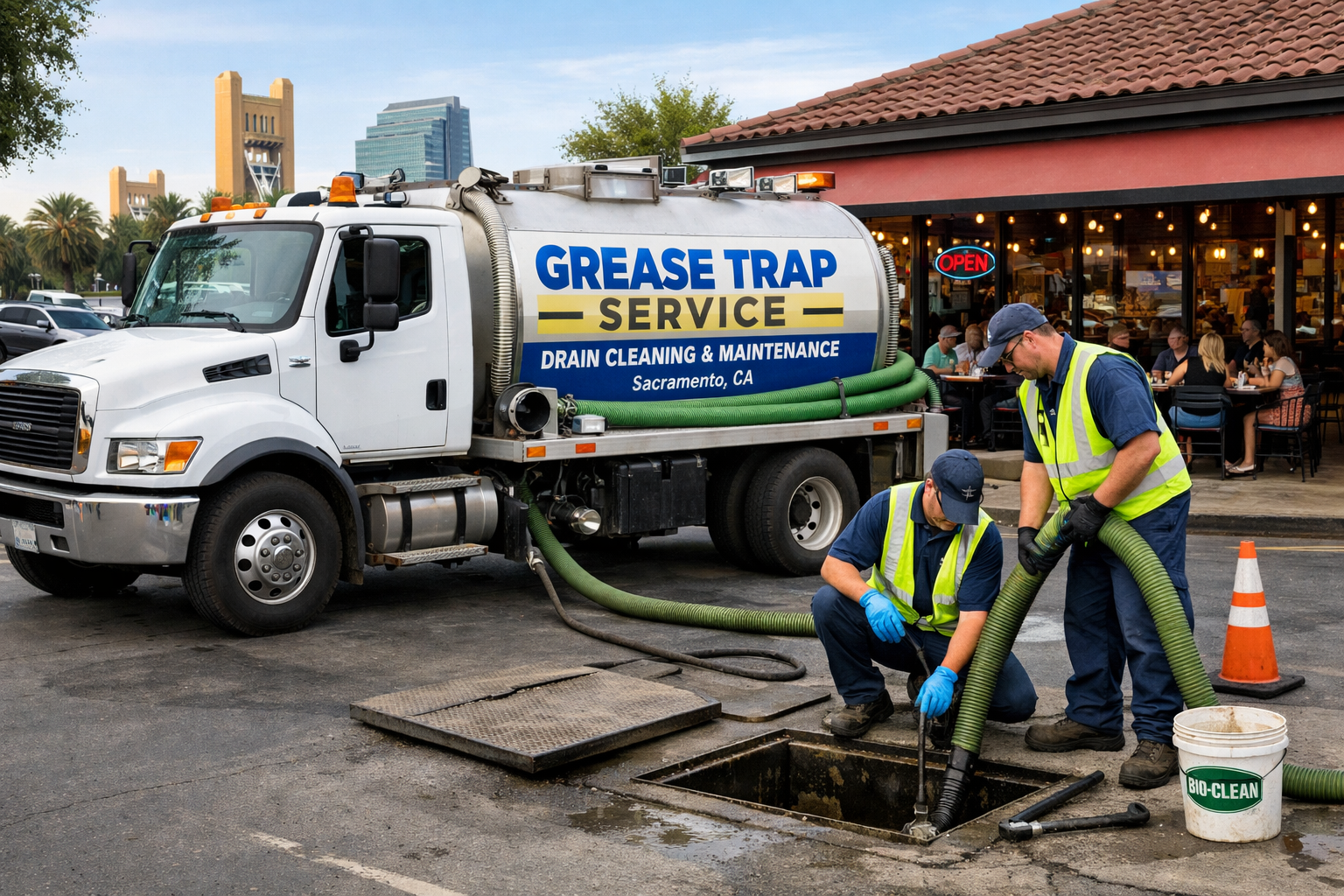
Choosing the right grease trap cleaning company is not just another operational decision for restaurant owners and commercial kitchen operators. It is a choice that directly affects compliance, safety, plumbing reliability, and your business reputation. In Sacramento, where wastewater regulations are strictly enforced and inspections are routine, working with the wrong service provider can lead to foul odors, slow drains, unexpected shutdowns, and costly penalties.
Many restaurant owners assume all grease trap cleaning services are essentially the same. On the surface, service contracts often promise routine maintenance, compliance support, or scheduled cleanings. However, the real differences are found in the details. These include how thoroughly grease is removed, how documentation is handled, how emergencies are addressed, and whether technicians identify issues before they turn into expensive problems.
This guide walks you through the most important questions to ask before signing a service contract with a grease trap cleaning company in Sacramento. You will learn what to look for, which red flags to avoid, and how to choose a long-term partner rather than a short-term vendor. By the end, you will be equipped to protect your kitchen, your staff, and your business.
Why Choosing the Right Grease Trap Cleaning Company Matters
A grease trap is one of the most critical yet overlooked systems in a commercial kitchen. Its role is to capture fats, oils, and grease before they enter the sewer system. When maintenance is inconsistent or incomplete, grease accumulates quickly and causes a chain reaction of problems.
Without proper commercial grease trap cleaning, grease solidifies inside pipes, slows drainage, and eventually causes backups that can shut down food preparation areas. In severe cases, grease overflows onto floors, creating slip hazards, sanitation violations, and negative customer experiences that are difficult to recover from.
Sacramento Regulations and Compliance Pressure
Sacramento enforces strict FOG regulations designed to protect the municipal wastewater system. Health inspectors expect restaurants and commercial kitchens to provide proof of routine maintenance and proper grease disposal. Missing records or incomplete cleanings can result in citations, fines, and mandatory follow-up inspections.
A dependable grease trap cleaning service helps you:
- Maintain consistent compliance with local regulations
- Reduce the risk of emergency plumbing backups
- Prevent odors that can drive customers away
- Protect plumbing infrastructure from grease damage
- Control long-term maintenance costs
Not all grease trap cleaning companies operate at the same standard. Understanding these differences is essential before signing a service agreement.
Critical Questions to Ask Before Signing a Service Contract
Before committing to any grease trap cleaning company, make sure you receive clear and detailed answers to the questions below. Each one protects your operation from hidden risks and unexpected expenses.
What Experience Do You Have Serving Sacramento Kitchens?
Local experience is critical. Sacramento has specific inspection expectations, reporting standards, and compliance requirements that differ from other regions. A company that regularly services Sacramento kitchens understands what inspectors look for and how to keep your business prepared.
A locally experienced provider will know:
- How often inspectors request service records
- Common compliance issues that trigger violations
- Approved grease disposal and transport practices
Hiring a provider without Sacramento-specific experience increases your risk of compliance issues, even if cleanings appear routine.
How Often Will My Grease Trap Be Serviced?
Service frequency should be based on your kitchen’s actual grease output, not a generic schedule. Menu type, operating hours, and kitchen volume all affect how quickly grease accumulates.
A professional grease trap cleaning service evaluates:
- Daily food volume
- Use of fryers and grills
- Grease trap size and accessibility
- Local regulatory requirements
Over-servicing wastes money, while under-servicing increases the likelihood of clogs, odors, and violations. The right provider balances both.
What Is Included in Each Cleaning Visit?
Not all grease trap cleanings are equal. Some companies perform partial cleanings that remove surface grease but leave solids behind. These shortcuts lead to faster buildup and recurring issues.
A complete restaurant grease trap cleaning should include:
- Full removal of fats, oils, and solids
- Scraping and cleaning of interior walls
- Inspection of baffles, lids, and flow components
- Confirmation that the system is functioning correctly
If a provider cannot clearly explain their process, that is a red flag.
Do You Offer Grease Trap Pumping and Full Cleaning?
A professional grease trap pumping service should do more than remove waste. Pumping must be paired with inspection and proper reset of the system to prevent immediate re-accumulation.
Ask whether pumping includes:
- Visual inspection after service
- Confirmation that baffles and lids are intact
- Documentation of waste removal
You can review professional standards by exploring grease trap cleaning services and grease trap pumping services.
How Do You Handle Compliance Documentation?
Documentation is essential for inspections and audits. After every visit, you should receive a service report that includes:
- Date and time of service
- Volume of grease removed
- Condition of the grease trap
- Confirmation of proper disposal
Ask how reports are delivered and how long they are retained. Inspectors may request records months after the service date.
Are Your Technicians Certified and Non-Commissioned?
Certified technicians provide consistent, high-quality service. Non-commissioned technicians reduce the pressure to upsell unnecessary services or equipment.
This combination signals a company that values long-term relationships and operational integrity.
What Happens If an Emergency Occurs Between Visits?
Even with routine service, emergencies can happen. Equipment failure, unexpected volume spikes, or accidental dumping can overwhelm a grease trap.
Ask whether emergency grease trap cleaning is available and clarify:
- Average response time
- After-hours availability
- Emergency pricing structure
Knowing this information ahead of time prevents costly surprises during a crisis.
How a Local Sacramento Grease Trap Cleaning Company Adds Value
Understanding the right questions is important, but seeing how they apply in real operations makes them actionable. A strong local provider does more than clean grease traps. They actively reduce risk and improve operational stability.
High-Volume Restaurant Operations
Busy restaurants often generate grease faster than expected. A proactive commercial grease trap cleaning service monitors accumulation rates and adjusts service frequency as needed.
Benefits include:
- Fewer emergency shutdowns
- Cleaner kitchens during peak hours
- Smoother and faster inspections
Many Sacramento operators see noticeable improvements within the first few months of switching providers.
Multi-Location and Franchise Kitchens
Consistency is essential for operators managing multiple locations. A reliable grease trap cleaning company standardizes service schedules, documentation, and reporting across all sites.
This consistency reduces administrative workload and lowers the risk of inspection issues.
Schools, Hospitals, and Institutional Kitchens
Institutional kitchens require detailed documentation and predictable maintenance schedules. Professional grease trap service supports public safety standards while minimizing operational disruptions.
Understanding Grease Trap Cleaning Costs
One of the most common concerns among operators is grease trap cleaning cost. Pricing depends on several factors, including:
- Grease trap size
- Cleaning frequency
- Accessibility
- Volume of grease produced
The lowest price rarely delivers the best value. Inexpensive services often skip inspections or perform incomplete cleanings, leading to higher long-term expenses.
Transparent providers explain pricing clearly and help prevent emergency costs.
Best Practices That Reduce Grease Buildup
Even the best grease trap cleaning company benefits from informed kitchen staff. Proper handling of fats, oils, and grease reduces buildup between visits.
Operators are encouraged to review professional
FOG best practices to minimize grease accumulation and protect plumbing systems.
When Grease Interceptors Require Specialized Service
Large facilities often use grease interceptors instead of small grease traps. These systems require specialized grease interceptor cleaning service methods and advanced documentation.
If your facility uses an interceptor, confirm that your provider has experience with large-capacity systems. Additional insight is available in this
grease interceptor installation guide.
Common Mistakes to Avoid When Signing a Service Agreement
Even experienced operators make avoidable mistakes when choosing a grease trap cleaning company.
Overlooking Contract Flexibility
Long-term contracts without adjustment options can lock you into the wrong service frequency.
Ignoring Disposal Practices
Improper grease disposal can expose your business to environmental penalties.
Focusing Only on Price
Low-cost services often lead to higher repair and emergency expenses.
Failing to Ask About Inspections
Missed inspections allow small issues to grow into major repairs.
Avoiding these mistakes keeps your contract aligned with operational and compliance goals.
Make an Informed Choice for Long-Term Protection
Choosing the right grease trap cleaning company in Sacramento is about protecting your business from preventable disruptions. By asking detailed questions about experience, service scope, documentation, and emergency response, you position your kitchen for consistent performance and peace of mind.
A transparent local provider will welcome these questions and provide clear answers. If responses are vague or rushed, that information is valuable as well.
If you are ready to work with a Sacramento-based provider that prioritizes compliance, transparency, and long-term reliability, consider contacting Sacramento Grease Trap to discuss a service plan tailored to your kitchen’s needs.
Frequently Asked Questions About Grease Trap Cleaning Companies
How do I know if a grease trap cleaning company is reliable?
Look for local experience, clear documentation, certified technicians, and transparent pricing.
How often should grease traps be cleaned in Sacramento?
Most kitchens require service every 30 to 90 days, depending on volume and menu type.
Can poor grease trap maintenance cause health code violations?
Yes. Inadequate cleaning can lead to overflows, odors, and plumbing issues that trigger violations.
What documentation should I receive after each cleaning?
Service reports should include the service date, waste volume removed, condition of components, and disposal confirmation.
Is a long-term service contract always necessary?
Not always. Flexible agreements allow adjustments as your business needs change.
By choosing carefully and asking the right questions, your grease trap cleaning service becomes a protective asset rather than an operational risk.

Let Us Simplify Your Grease Trap Maintenance.
Proper grease trap maintenance will reduce costly repairs in the future.
.avif)