Grease Interceptor Sizing: How to Get It Right from the Start
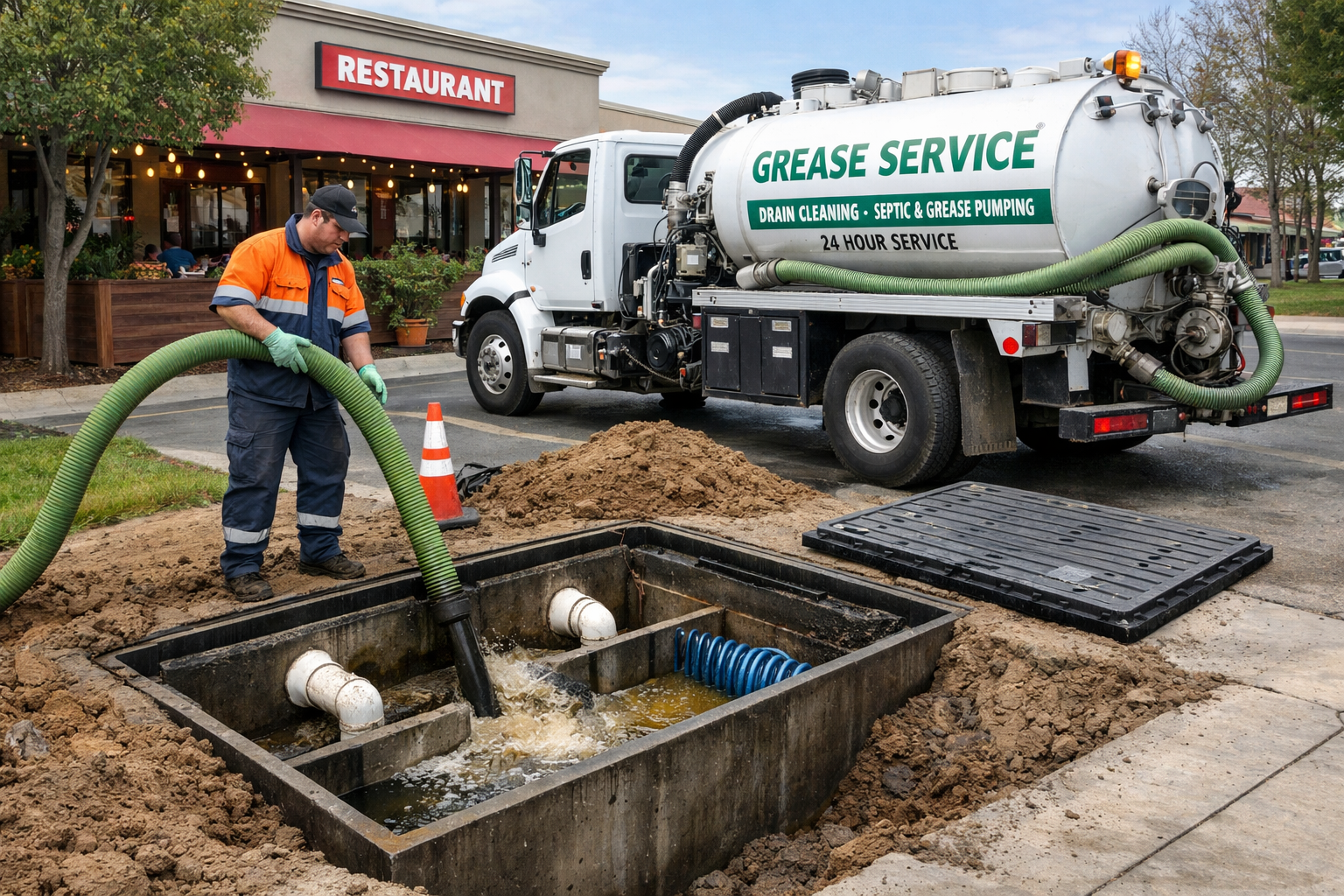
Installing a grease interceptor is not something most restaurant owners think about until there is a problem. Failed inspections, slow drains, emergency pump-outs, or unexpected plumbing repairs often trace back to one issue: incorrect grease interceptor sizing.
When an interceptor is too small, fats, oils, and grease build up faster than the system can handle, allowing grease to pass into sewer lines. When it is too large, you may spend more on installation, pumping, and maintenance than your operation actually requires. Getting the size right from the beginning protects your kitchen, keeps inspections smooth, and helps control long-term costs.
In Sacramento, grease interceptor requirements are tied closely to wastewater regulations and your kitchen’s actual output. Inspectors expect sizing decisions to be based on real usage, not estimates or what worked at another location. This guide explains how grease interceptor sizing works, what factors matter most, and how to determine the right capacity for your specific operation.
Why Proper Grease Interceptor Sizing Matters
Grease interceptors are designed to slow wastewater flow so grease can separate before entering the municipal sewer system. When sizing is accurate, this process works consistently and predictably. When it is not, problems appear quickly.
Undersized systems fill too fast, allowing grease to bypass the interceptor between cleanings. This often leads to violations, sewer backups, and costly re-inspections. Oversized systems may seem like a safety buffer, but they increase excavation costs, pumping volume, and long-term service expenses without adding real compliance benefits.
Correct grease interceptor sizing helps:
- Prevent fats, oils, and grease from entering sewer lines
- Reduce emergency pump-outs and plumbing repairs
- Maintain compliance with Sacramento wastewater rules
- Extend the life of kitchen plumbing and interceptor equipment
Proper sizing is not about guessing bigger or smaller. It is about matching the interceptor to how your kitchen actually operates.
Understanding Grease Interceptor vs. Grease Trap Sizing
The terms grease interceptor sizing and grease trap sizing are often used interchangeably, but they are not always the same thing.
Grease traps are typically smaller, indoor devices used for limited fixtures or low-volume kitchens. Grease interceptors are larger, usually installed underground, and designed for higher grease output. While the principles behind how to size a grease trap and how to size an interceptor are similar, interceptors require more detailed calculations and must meet stricter local requirements.
Knowing which system your kitchen needs is the first step before any sizing calculation begins.
Step-by-Step Guide to Grease Interceptor Sizing
Accurate sizing follows a structured process based on kitchen activity, not square footage or guesswork.
Identify Grease-Producing Fixtures
Start by listing every fixture that discharges grease-laden wastewater. This often includes:
- Three-compartment sinks
- Prep sinks
- Dishwashers
- Woks and floor drains connected to cooking areas
Missing even one fixture can lead to an undersized system and compliance issues later.
Calculate Flow Rates
Flow rate measures how much water enters the interceptor over a specific period. This calculation typically considers sink dimensions and drainage time. Flow rate is a core part of grease trap calculation methods and directly influences required capacity.
Account for Peak Usage
Sizing must reflect your busiest periods, not average daily use. Lunch and dinner rushes create spikes in water and grease output. A properly sized interceptor must handle those peaks without allowing grease to escape.
Apply Retention Time
Retention time determines how long wastewater stays in the interceptor, allowing grease to separate. Local guidelines often specify minimum retention times, which directly affect final interceptor size.
Check Local Sacramento Requirements
Local regulations may set minimum grease interceptor sizes based on facility type or food preparation methods. Even if your calculations suggest a smaller unit, city requirements may override them. Reviewing Sacramento grease trap requirements before finalizing plans helps avoid permit delays.
Documenting your calculations is critical. Inspectors often request sizing justification during plan review or inspections.
Using Grease Trap Sizing Tools and Charts
Many operators search for a grease trap sizing calculator or grease trap sizing chart to simplify the process. These tools can provide a starting point, but they should not replace professional review.
Online calculators may not account for:
- Local Sacramento code requirements
- Unique kitchen layouts
- Future menu or volume changes
They are best used as a reference, not a final decision-making tool.
Real-World Grease Interceptor Sizing Examples
Seeing how sizing works in practice helps clarify the process.
Small Café or Coffee Shop
A café with limited hot food preparation and fewer grease-producing fixtures usually needs a smaller interceptor. Proper sizing avoids unnecessary installation costs and keeps grease trap cleaning schedules manageable.
Full-Service Restaurant
Restaurants with fryers, grills, and high-volume dishwashing generate much more grease. Larger interceptors sized for peak output help prevent overflows and reduce emergency grease trap pumping during inspections.
Institutional or High-Volume Kitchens
Schools, hospitals, and catering facilities often benefit from conservative sizing to handle batch cooking and variable demand. Proper sizing supports predictable maintenance and compliance documentation.
Each example shows that what size grease trap do I need depends on how the kitchen actually functions, not on assumptions.
Common Grease Interceptor Sizing Mistakes
Many sizing issues come from avoidable errors.
Using kitchen square footage instead of fixture data often leads to inaccurate results. Ignoring future growth, such as menu expansion or increased seating, can overwhelm a system that was sized only for current needs. Assuming bigger is always better increases long-term costs without improving performance.
Skipping professional review is another common mistake. Local experts understand Sacramento-specific rules and can spot issues calculators miss.
Supporting Long-Term Compliance and Maintenance
Accurate sizing also supports long-term maintenance planning. When interceptors are sized correctly, pumping schedules become more predictable and manageable. Pairing proper sizing with strong kitchen practices, such as following F.O.G. best practices, further reduces the risk of buildup and violations.
Size It Right to Avoid Future Problems
Getting grease interceptor sizing right from the start protects your plumbing, supports regulatory compliance, and keeps operating costs under control. By understanding your fixtures, flow rates, peak usage, and Sacramento regulations, you can choose an interceptor size that fits your kitchen without overspending or risking violations.
If you are installing a new system or questioning whether your current interceptor is properly sized, professional guidance can save time and money. A knowledgeable local provider can review your setup, verify calculations, and help ensure long-term compliance.
Grease Interceptor Sizing FAQs
What is grease interceptor sizing based on?
It is based on grease-producing fixtures, flow rates, peak usage, required retention time, and local Sacramento regulations.
Can an undersized grease interceptor cause violations?
Yes. Undersized units fill too quickly and allow grease to bypass the system, often triggering violations during inspections.
Is grease interceptor sizing the same for all restaurants?
No. Menu type, equipment, and service volume all affect grease output, so sizing must be specific to each kitchen.
How often should a properly sized interceptor be pumped?
When sized correctly, pumping is usually needed every 30 to 90 days, depending on grease load and kitchen volume.
Should I resize my interceptor if I remodel or change menus?
Yes. Any change in equipment, seating, or food preparation can affect grease output and may require resizing to stay compliant.

Let Us Simplify Your Grease Trap Maintenance.
Proper grease trap maintenance will reduce costly repairs in the future.
.avif)