When to Call for Professional Grease Trap Repair
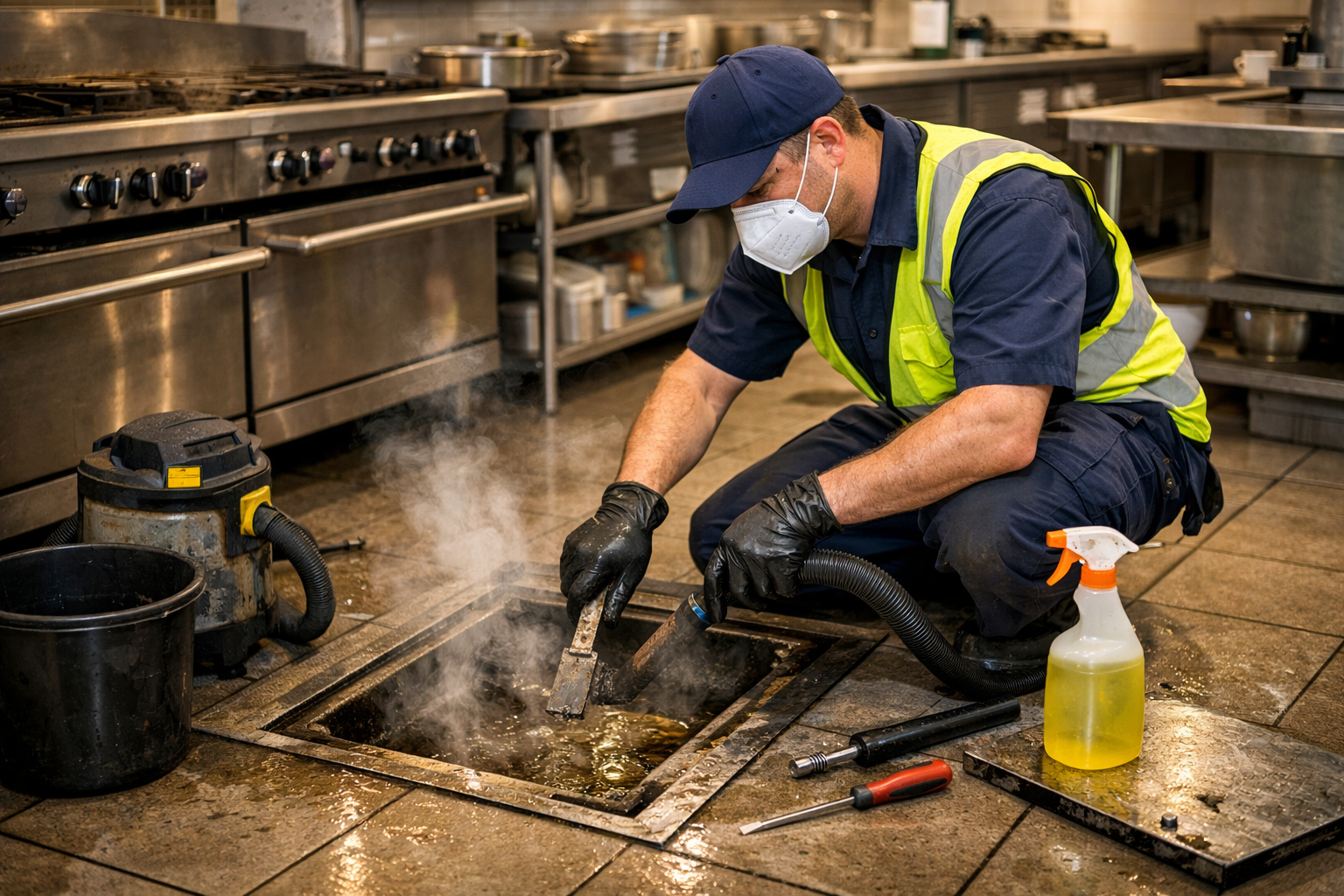
A grease trap rarely gets attention until something goes wrong. One day, your kitchen is running smoothly, and the next, you’re dealing with slow drains, unpleasant odors, or worse, a surprise visit from a health inspector. For many restaurant owners and commercial kitchen managers in Sacramento, grease trap issues start small but escalate quickly when ignored.
The challenge is knowing when a grease trap problem is routine maintenance and when it’s time to call for professional grease trap repair. Delaying repairs doesn’t just risk plumbing backups; it can lead to health code violations, lost business, and expensive emergency service calls.
In this guide, you’ll learn how to recognize the warning signs that signal a deeper issue, what causes grease trap failures, and how timely professional repair protects your kitchen, staff, and customers. We’ll also cover real-world scenarios specific to Sacramento, CA, where local regulations and high-volume food service demand proactive grease management.
If you want to avoid downtime, protect your reputation, and stay compliant, knowing when to call the pros is critical. Let’s break it down clearly and practically.
Understanding What Grease Trap Repair Involves
Grease trap repair goes beyond routine pumping or cleaning. While cleaning removes built-up fats, oils, and grease (FOG), repair addresses mechanical, structural, or functional failures that prevent the system from working as designed.
A grease trap’s job is to intercept grease before it enters your plumbing system. When components fail, grease escapes into sewer lines, causing blockages, backups, and potential environmental violations. Professional grease trap repair typically involves inspecting internal components, checking structural integrity, and restoring proper flow and separation.
Key reasons grease trap repair matters include:
- Preventing sewer line clogs and overflows
- Avoiding health department violations and fines
- Protecting expensive kitchen plumbing infrastructure
- Reducing emergency shutdowns during service hours
Many Sacramento kitchens assume frequent cleaning alone solves grease issues. In reality, damaged or malfunctioning traps continue to fail even when freshly pumped, making repair essential.
Key Warning Signs You Should Never Ignore
Some grease trap problems announce themselves loudly, while others develop quietly behind walls and under floors. Recognizing early warning signs can save thousands in repairs and lost revenue.
Below are the most common indicators that it’s time to call for professional grease trap repair in Sacramento.
Persistent Odors Inside Kitchen Areas
Strong, lingering odors are more than unpleasant; they’re often a sign of trapped grease, broken seals, or internal component failure. If smells return shortly after cleaning, the trap may no longer be sealing or separating grease correctly.
Odors that spread beyond the dishwashing area or into dining spaces can quickly become a customer-facing problem. This usually signals structural issues that cleaning alone cannot fix.
Slow Drains and Repeated Backups
When sinks, floor drains, or dishwashers drain slowly even after routine pumping, it’s often due to internal damage or grease bypassing the trap entirely. Repeated backups suggest:
- Broken baffles
- Collapsed internal walls
- Improper flow direction
Ignoring these signs increases the risk of wastewater backing up onto kitchen floors, creating safety and sanitation hazards.
Visible Grease Escaping the Trap
If grease is observed downstream in pipes or sewer cleanouts, the trap is failing at its core function. This is a clear sign that immediate grease trap repair is required to prevent municipal violations.
In Sacramento, grease discharge into sewer lines can result in fines and mandatory corrective action.
Cracks, Corrosion, or Structural Damage
Grease traps, especially older metal units, can corrode over time. Concrete traps may crack due to shifting ground or improper installation. Structural damage compromises containment and allows grease to leak into surrounding areas.
Once physical damage is present, replacement or professional repair is unavoidable.
Common Causes of Grease Trap Failure
Understanding why grease traps fail helps prevent future breakdowns and supports smarter maintenance planning.
Improper Installation or Sizing
Grease traps that are too small or incorrectly installed struggle to handle kitchen output. High-volume Sacramento restaurants often outgrow their original systems, leading to chronic overload and premature failure.
Lack of Preventive Maintenance
Skipping regular inspections allows small issues, like loose fittings or worn baffles, to escalate into major repairs. Cleaning alone doesn’t identify internal damage.
Excessive FOG Output
Menus heavy in fried or greasy foods increase FOG volume. Without proper capacity and maintenance, traps fail faster under constant strain.
Aging Infrastructure
Many Sacramento commercial kitchens operate in older buildings. Aging plumbing systems place extra stress on grease traps, accelerating wear and tear.
How Professional Grease Trap Repair Solves the Problem
Professional grease trap repair addresses both the symptoms and root causes of failure. Experienced technicians assess the entire system, not just what’s visible.
Typical professional repair services include:
- Internal component replacement (baffles, tees, seals)
- Structural patching or reinforcement
- Flow correction and pipe realignment
- Compliance verification with local codes
Working with a local expert like Sacramento Grease Trap ensures repairs meet Sacramento-area regulations and health department standards.
Real-World Use Cases in Sacramento Kitchens
Here’s how professional grease trap repair plays out in real scenarios across Sacramento, CA.
- High-Volume Restaurant Repair: A busy downtown restaurant experienced recurring backups despite monthly cleaning. Inspection revealed a damaged internal baffle. After professional repair, backups stopped completely, reducing emergency service calls by over 60%.
- Commercial Cafeteria Compliance Fix: A school cafeteria failed a health inspection due to grease escaping into sewer lines. Timely grease trap repair restored compliance and prevented costly fines and operational shutdowns.
- Multi-Unit Kitchen System Upgrade: A food court with shared plumbing faced chronic odors. Professional assessment identified undersized traps and internal corrosion. Repairs and upgrades eliminated odor complaints and improved drainage performance.
These examples highlight how repair isn’t just reactive, it’s a strategic investment.
Best Practices to Avoid Emergency Repairs
Proactive care minimizes downtime and unexpected costs. Follow these best practices to stay ahead of grease trap failures.
- Schedule Routine Inspections: Inspections catch internal damage before it becomes visible. Pair inspections with regular pumping for full coverage.
- Document Maintenance and Repairs: Maintenance logs help demonstrate compliance during inspections and identify recurring issues early.
- Upgrade When Capacity Changes: Menu changes or business growth may require larger or additional traps to prevent overload.
- Partner With Local Specialists: Sacramento-specific expertise ensures compliance with regional regulations and faster response times.
A small investment in prevention dramatically reduces the likelihood of emergency grease trap repair.
Conclusion: Knowing When to Call Makes All the Difference
Grease trap problems don’t resolve themselves, and waiting too long often makes repairs more expensive. Persistent odors, slow drains, visible grease, and structural damage are all signs that professional grease trap repair is necessary.
For Sacramento commercial kitchens, timely repair protects your plumbing, ensures compliance, and keeps your business running without interruption. Instead of reacting to emergencies, proactive repair and inspection give you control.
If you’re noticing warning signs or want peace of mind, partnering with a trusted local provider is the smartest next step. A well-maintained grease trap isn’t just code compliance; it’s operational stability.
Frequently Asked Questions
How do I know if I need grease trap repair or just cleaning?
If problems like odors or slow drains return quickly after cleaning, repair is likely needed. Cleaning removes grease, while repair fixes mechanical or structural issues.
Is grease trap repair required by Sacramento regulations?
Yes. Sacramento enforces strict FOG management rules. Failing grease traps must be repaired to remain compliant and avoid penalties.
How often should grease traps be inspected?
Most commercial kitchens benefit from inspections every 6–12 months, depending on usage and menu type.
Can a damaged grease trap cause health code violations?
Absolutely. Leaks, odors, and grease discharge can all result in failed inspections and fines.
Is grease trap repair more cost-effective than replacement?
In many cases, yes. Early repairs extend system life and delay the need for full replacement.

Let Us Simplify Your Grease Trap Maintenance.
Proper grease trap maintenance will reduce costly repairs in the future.
.avif)