Grease Trap Inspection Checklist Sacramento
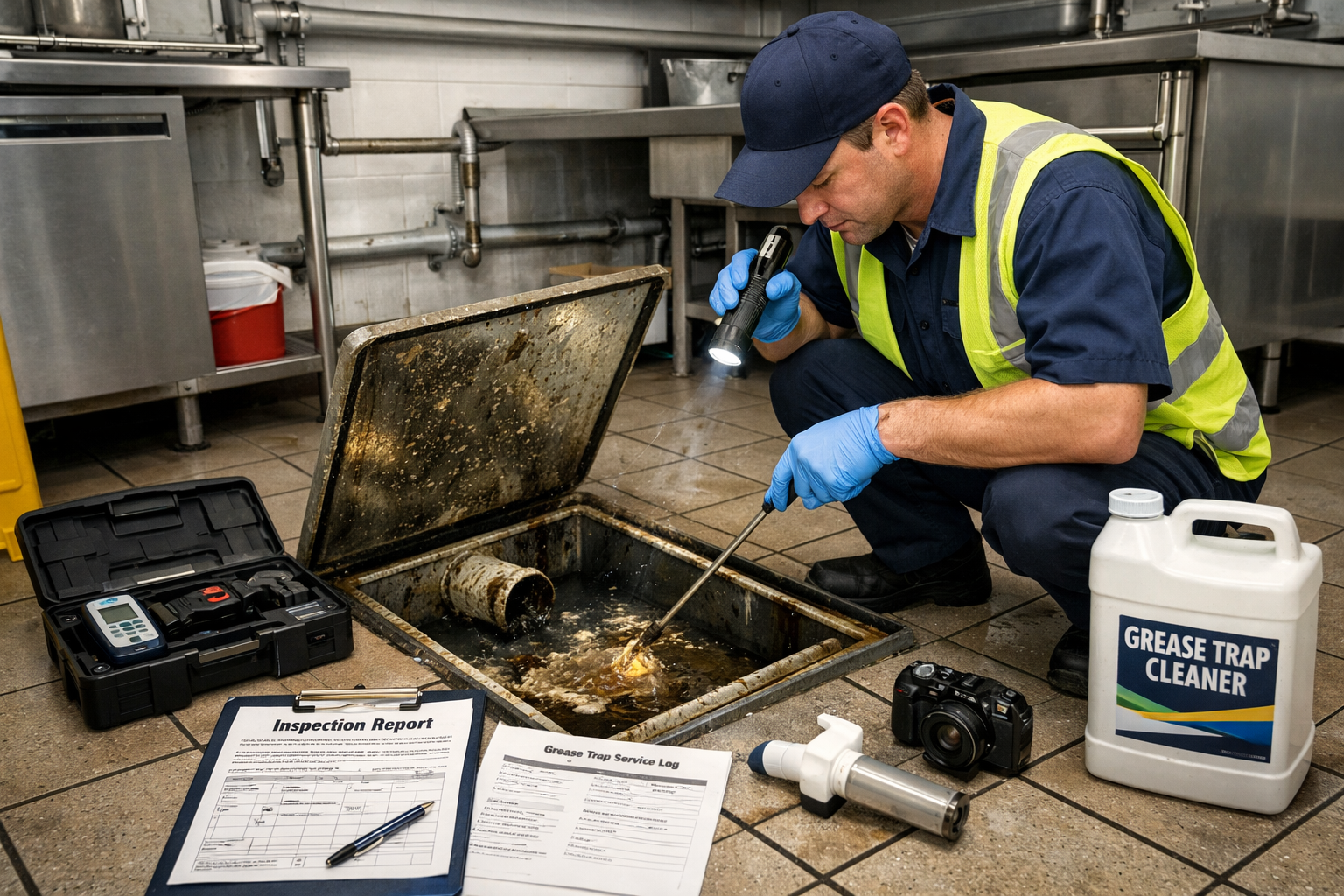
What Restaurant Owners Need to Know Before an Inspection
Grease trap inspections can feel stressful for restaurant owners, especially when expectations are unclear. In Sacramento, inspections are designed to ensure fats, oils, and grease (FOG) are properly controlled to protect the city’s wastewater system. Knowing exactly what inspectors look for makes compliance far easier and helps you avoid citations, fines, or operational disruptions.
A strong grease trap inspection checklist in Sacramento does more than help you pass an inspection. It keeps your kitchen running efficiently and reduces the risk of backups, odors, and emergency shutdowns. Poorly maintained grease traps often cause problems during peak service hours, and inspections tend to uncover issues that have been developing quietly for months.
This guide breaks down a practical, inspection-ready checklist tailored specifically for Sacramento restaurant owners. You’ll learn what inspectors evaluate, how to prepare in advance, and which records to keep on hand so inspections become routine instead of stressful.
Why Grease Trap Inspections Are Strict in Sacramento
Sacramento enforces grease trap inspections to prevent sewer blockages, overflows, and environmental damage. Even small amounts of unmanaged grease can harden inside pipes and contribute to major infrastructure problems. Restaurants are one of the primary sources of FOG, which is why enforcement is detailed and consistent.
Inspections focus on more than just whether a grease trap looks clean. Inspectors want to see evidence of an ongoing grease trap maintenance program. That includes proper installation, routine service, staff awareness, and accurate documentation. Restaurants that approach compliance proactively almost always have smoother inspections.
Understanding the intent behind inspections helps owners prepare correctly. Inspectors are looking for systems that prevent problems, not businesses that only react after something goes wrong.
Grease Trap Inspection Checklist for Sacramento Restaurants
The following checklist reflects what inspectors typically review during a grease trap inspection in Sacramento. Using this list regularly helps ensure you are always inspection-ready.
Grease Trap Accessibility and Physical Condition
Inspectors start by confirming that the grease trap is accessible and structurally sound. Access lids should not be buried, sealed shut, or obstructed by equipment.
What inspectors check
- Clear access to the grease trap
- Secure, undamaged lids
- No excessive corrosion or cracks
Why it matters
If inspectors cannot access the grease trap easily, it raises concerns about whether routine cleaning is possible.
Common violation
Blocked or permanently sealed access points.
Cleaning Frequency and Current Grease Levels
A major part of any grease trap inspection is evaluating whether the trap is being cleaned often enough. Inspectors may visually assess grease levels or rely on service records to confirm compliance.
What inspectors check
- Evidence that grease and solids are below maximum capacity
- Cleaning intervals that match kitchen volume
Why it matters
Overfilled grease traps allow FOG to enter sewer lines, increasing the risk of backups and violations.
Best practice
Most restaurants require service every 30 to 90 days. Scheduling routine grease trap cleaning helps prevent issues before inspections occur.
Proper FOG Disposal Practices
Inspectors want to confirm that captured grease is disposed of properly and not poured down drains or discarded incorrectly.
What inspectors check
- Use of licensed service providers
- Proper grease waste disposal methods
Why it matters
Improper disposal simply transfers grease problems elsewhere in the system and violates local wastewater rules.
Best practice
Use professional grease trap pumping services that provide disposal documentation.
Service Records and Documentation
Even a clean grease trap can fail an inspection if documentation is missing. Recordkeeping is a core requirement in Sacramento.
What inspectors check
- Cleaning and pumping dates
- Service provider name and contact information
- Disposal confirmation
Why it matters
Records prove compliance. Without them, inspectors cannot verify maintenance history.
Best practice
Keep service logs organized and easily accessible on-site.
Kitchen FOG Awareness and Staff Practices
Inspectors may observe kitchen operations or ask questions about grease handling procedures. Daily habits matter just as much as scheduled cleanings.
What inspectors check
- Whether staff scrape plates and cookware
- Whether grease is kept out of sinks and floor drains
Why it matters
Poor daily practices can overwhelm even well-maintained grease traps.
Best practice
Train staff using clear procedures and reinforce FOG best practices regularly.
How Grease Trap Inspections Play Out in Real Sacramento Kitchens
Many Sacramento restaurant owners fail inspections not because their grease trap is overflowing, but because records are incomplete or maintenance schedules are inconsistent. Inspectors often issue warnings or require corrective action when service intervals are unclear or undocumented.
Food trucks and smaller kitchens are frequently surprised to learn inspections apply to them as well. Regardless of size, any operation producing fats, oils, and grease must comply. Restaurants that consistently follow a grease trap inspection checklist in Sacramento typically pass inspections quickly with minimal disruption.
Routine preparation also reduces emergency plumbing calls. Scheduled maintenance costs far less than emergency service triggered by inspection failures or backups.
Best Practices to Stay Inspection-Ready Year-Round
Staying compliant does not require last-minute scrambling. These habits make grease trap inspections far easier.
Maintain a Fixed Cleaning Schedule
A consistent schedule prevents overfilled traps and surprise violations.
Train Staff on FOG Prevention
Daily practices have a greater impact than occasional cleanings.
Audit Records Monthly
Review service logs regularly to ensure nothing is missing.
Address Small Issues Early
Minor repairs or adjustments prevent inspection failures later.
Consistency turns inspections into a formality instead of a risk.
Why Professional Grease Trap Service Makes Inspections Easier
Grease trap inspections are detailed, and local enforcement standards can change. Professional grease trap providers understand Sacramento’s inspection process, documentation requirements, and service expectations.
Experienced providers do more than clean traps. They help restaurants maintain compliance by identifying issues early, maintaining proper schedules, and providing accurate records. For restaurant owners relying on a dependable grease trap inspection checklist in Sacramento, working with specialists like Sacramento Grease Trap reduces inspection stress and operational risk.
Professional support allows owners to focus on food quality and customer service rather than regulatory details.
For additional insight into common inspection issues, this resource on grease trap odors in Sacramento can help identify early warning signs.
Frequently Asked Questions About Grease Trap Inspections
How often are grease trap inspections conducted in Sacramento
Inspections may be scheduled or unannounced, depending on your compliance history and local enforcement priorities.
What happens if I fail a grease trap inspection
You may receive a notice of violation, be required to correct issues within a set timeframe, or face fines and potential shutdowns.
Do inspectors check service records every time
Yes. Documentation is one of the most common inspection focus areas.
Can restaurant staff clean the grease trap
Most regulations require licensed professionals for cleaning and grease waste disposal.
Are small restaurants and food trucks subject to inspections
Yes. Any food-service operation producing fats, oils, and grease must comply with grease trap regulations in Sacramento.

Let Us Simplify Your Grease Trap Maintenance.
Proper grease trap maintenance will reduce costly repairs in the future.
.avif)