How Much Does Grease Trap Cleaning Cost?
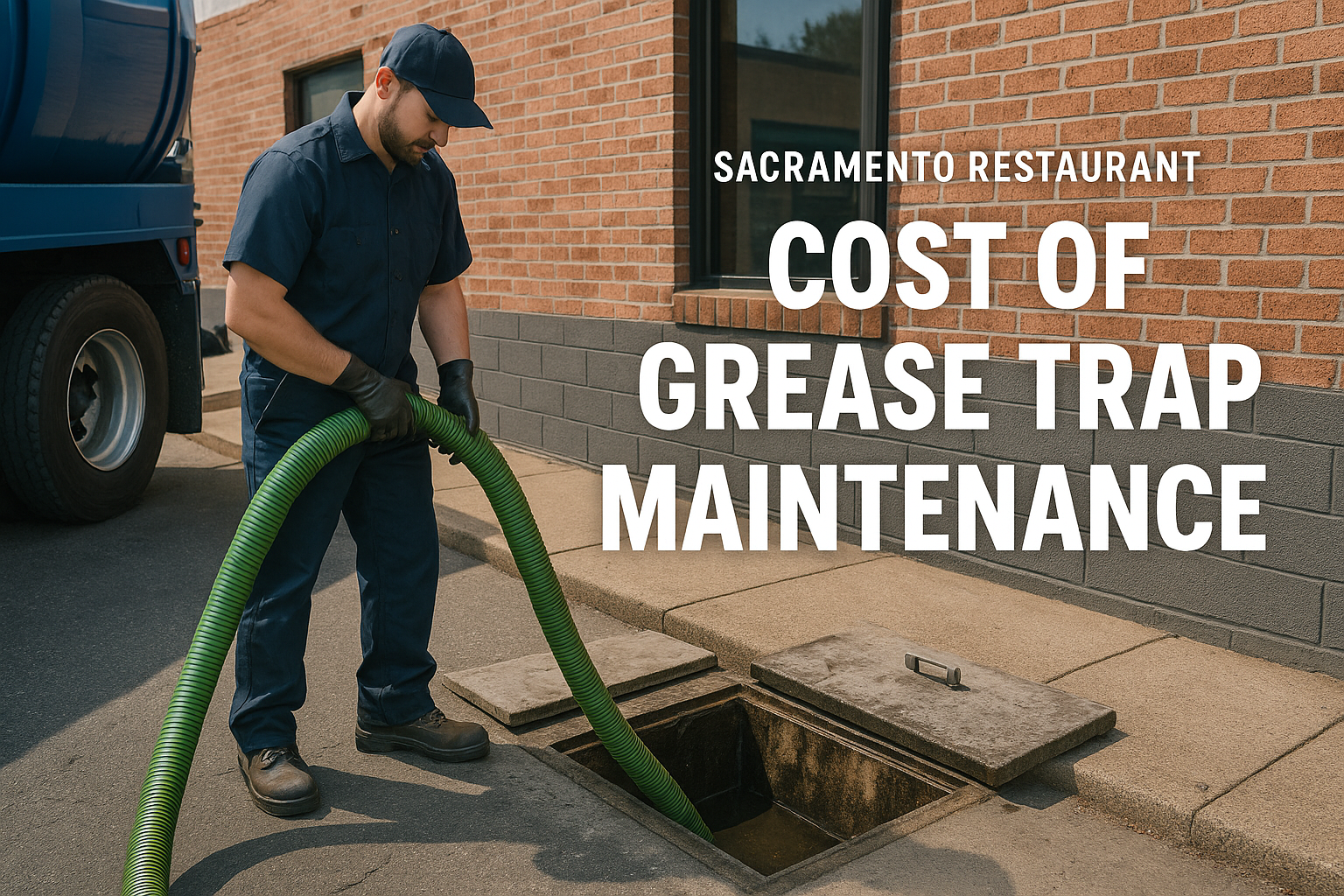
What You Really Need to Know About Grease Trap Cleaning Costs
If you have ever tried to pin down the grease trap cleaning cost for your restaurant or commercial kitchen, you already know how confusing pricing can feel. One company offers a low flat fee, another gives a wide range, and a third insists it depends entirely on your system. Without clear context, it is hard to know what is fair and what might be cutting corners.
Grease traps are critical for keeping kitchens sanitary, compliant, and operational. When costs are unclear, some businesses delay service or choose the cheapest option, which often leads to backups, odors, emergency repairs, or regulatory fines that far exceed routine maintenance costs.
This guide breaks down grease trap service pricing in clear, practical terms. You will learn what drives costs, how Sacramento businesses typically budget for service, and what reasonable pricing looks like for different system sizes and schedules. By the end, you will be able to compare quotes confidently and choose a plan that protects both your kitchen and your budget.
Understanding the True Cost of Grease Trap Cleaning
To understand the grease trap service cost, it helps to know what professional cleaning actually includes. Proper service goes far beyond a quick pump-out. A complete grease trap clean out typically involves removing fats, oils, and grease, scraping interior walls, vacuuming solids, rinsing the system, inspecting components, and documenting service for compliance.
Well-maintained grease traps provide several benefits:
- Prevent sewer line blockages and plumbing emergencies
- Avoid city violations, fines, or forced shutdowns
- Improve kitchen hygiene and odor control
- Extend the life of plumbing systems and interceptors
- Reduce long-term maintenance expenses
This level of service explains why pricing varies and why the lowest quote is rarely the best value.
For a closer look at what professional service includes, review local grease trap cleaning standards used by Sacramento providers.
What Affects Grease Trap Cleaning Cost in Sacramento
Several factors influence the total cost to clean a grease trap. Understanding these variables helps you anticipate pricing and avoid surprises.
Grease Trap Size and Capacity
Size is the single biggest driver of grease trap cleaning cost. Small under-sink units may hold 20 to 50 gallons, while outdoor interceptors can exceed 1,000 gallons.
Smaller kitchen grease traps are quicker to service and require less disposal, keeping costs lower. Large interceptors demand vacuum trucks, more labor, and higher disposal fees, which raises the price per visit.
Service Frequency
How often your system is cleaned has a major impact on cost. Regular maintenance prevents hardened grease buildup, which reduces labor time and equipment strain.
High-volume restaurants often require monthly restaurant grease trap cleaning, while lower-volume operations may only need quarterly service. Many providers offer reduced rates for recurring schedules because waste volume is predictable and routing is more efficient.
Consistent service also lowers long-term grease trap pumping expenses by preventing emergency calls.
Accessibility of the Grease Trap
Accessibility plays a larger role than many operators expect. Under-sink traps are usually easier to reach but may require manual handling. Outdoor interceptors may involve heavy lids, long hose runs, or uneven terrain.
If technicians must move equipment, clear obstructions, or navigate tight spaces, labor time increases, raising the grease trap service cost. Keeping access areas clear before service can help control pricing.
Waste Volume and Kitchen Practices
The amount of grease and solids inside the trap directly affects cost. Kitchens with heavy frying, improper food disposal, or poor plate-scraping habits accumulate waste faster.
Training staff on proper disposal and following FOG best practices can significantly reduce buildup and lower disposal fees over time.
Emergency or Rush Service
Emergency service almost always costs more. Calls made due to backups, odors, or inspection deadlines often run 1.5 to 2 times standard rates.
The most effective way to avoid emergency pricing is to maintain a consistent cleaning schedule, especially for high-output kitchens.
Typical Grease Trap Cleaning Cost Ranges
While pricing varies by provider and system, Sacramento businesses generally see these ranges:
- Small under-sink traps: lower-cost visits when serviced regularly
- Medium indoor traps: moderate pricing depending on waste volume
- Large outdoor interceptors: higher per-visit costs due to equipment and disposal
Recurring service plans usually reduce the average cost per visit compared to one-off cleanings.
For services involving full pump-outs, pricing reflects equipment needs outlined in professional grease trap pumping standards.
Real-World Examples for Sacramento Kitchens
Understanding cost factors is easier with real scenarios.
A busy Midtown Sacramento restaurant with heavy fryer use requires monthly service. With a recurring plan, they often save 10 to 20 percent per visit and avoid emergency issues.
A small café in East Sacramento with minimal grease output may only need quarterly cleaning. Because the trap is accessible and waste volume is low, their grease trap service near me costs remain predictable.
Schools, hospitals, and large commissaries often use outdoor interceptors. These may only require semiannual service, but each visit costs more due to tank size and vacuum truck requirements.
How to Reduce Grease Trap Cleaning Costs Over Time
While grease trap maintenance is unavoidable, smart practices keep costs under control.
Maintain a Consistent Schedule
Routine service prevents hardened grease layers that increase labor time and expense.
Train Kitchen Staff Properly
Scraping plates, using sink screens, and disposing of oils correctly reduce waste volume and speed up cleanings.
Keep Access Areas Clear
Easy access reduces technician time and helps control labor costs.
Keep Accurate Service Records
Documenting service history helps predict needs, negotiate rates, and demonstrate compliance during inspections.
Work With a Local Specialist
Local providers understand Sacramento regulations and typical kitchen demands. Working with an experienced local company ensures efficient scheduling and fair pricing.
Many Sacramento kitchens rely on Sacramento Grease Trap for routine cleaning and pumping because local expertise helps avoid compliance issues and unexpected costs.
Grease Trap Cleaning Near Me: Choosing the Right Provider
When searching for grease trap cleaning near me or commercial grease trap service near me, look beyond price alone.
A reliable provider should offer transparent pricing, proper waste disposal, detailed documentation, and clear communication about service frequency. The goal is not just a clean trap today, but predictable performance and compliance year-round.
Know the Real Cost and Protect Your Kitchen
Understanding the true grease trap cleaning cost empowers you to budget accurately and choose service wisely. Instead of guessing or reacting to emergencies, you can plan routine maintenance that protects your plumbing, staff, and reputation.
By maintaining consistent service, training staff, and partnering with a reliable Sacramento provider, you reduce long-term expenses and avoid costly disruptions.
Frequently Asked Questions About Grease Trap Cleaning Cost
How often should a grease trap be cleaned in Sacramento?
Most restaurants require monthly service, while low-volume kitchens may need quarterly cleaning. Frequency depends on grease output and local requirements.
How much does grease trap pumping cost compared to cleaning?
Pumping costs increase with trap size and waste volume. Large interceptors require vacuum trucks and higher disposal fees.
Can I clean a grease trap myself to save money?
Small traps can sometimes be cleaned in-house, but improper cleaning often leads to missed buildup and compliance issues. Professional service ensures proper disposal and inspection.
What happens if grease trap cleaning is delayed?
Delays cause odors, slow drains, backups, and potential city fines. Preventive service is far less expensive than emergency repairs.
Is grease trap cleaning required by law in California?
Yes. California and Sacramento regulations require regular grease trap maintenance and proper waste disposal to protect sewer systems and public health.
By knowing what drives pricing and how to manage it, Sacramento businesses can keep kitchens running smoothly without unnecessary surprises.

Let Us Simplify Your Grease Trap Maintenance.
Proper grease trap maintenance will reduce costly repairs in the future.
.avif)